

Postpartum Anxiety vs. Postpartum Depression: What Is the Difference and How to Get Help
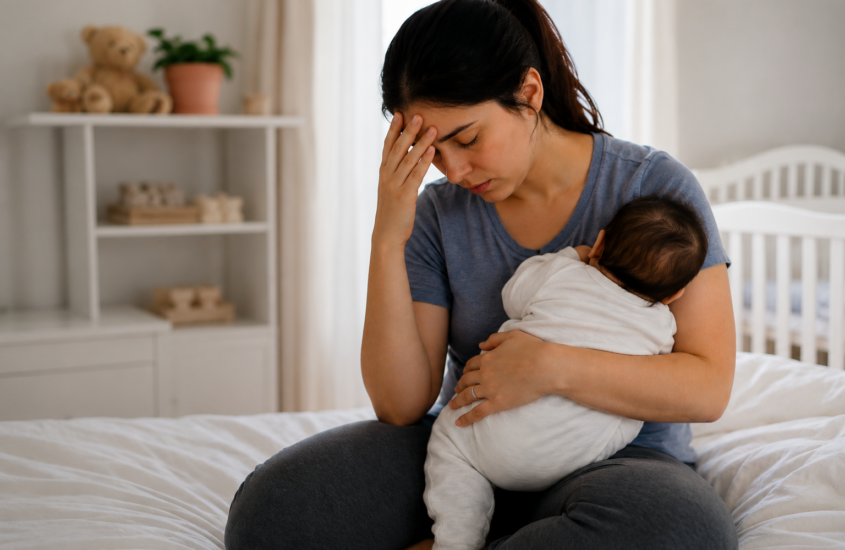
Becoming a parent can bring love, change, exhaustion, and emotions you may not fully understand yet. But when fear, sadness, panic, or emotional heaviness start taking over your daily life, it may be more than normal new-parent stress. Postpartum anxiety and Postpartum Depression are both common postpartum mental health experiences, but they can feel very different. Learning the signs of postpartum anxiety can help you understand what is happening and reach out for support before things feel harder to manage.
If you are in North Carolina, support is available. You do not have to wait until you feel completely overwhelmed to ask for help.
What Postpartum Anxiety Feels Like
Postpartum anxiety can feel like your mind never turns off. You may feel constantly alert, worried, or afraid that something bad will happen to your baby. Even when your baby is safe, fed, and sleeping, your body may still feel tense.
You may check your baby’s breathing again and again. You may worry about germs, feeding, sleep schedules, accidents, or whether you are doing everything right. You may feel unable to relax, even when someone else is helping.
Some common signs of postpartum anxiety include:
- Racing thoughts that are hard to stop
- Constant worry about the baby’s safety
- Feeling restless, tense, or on edge
- Trouble sleeping even when the baby sleeps
- Panic-like symptoms, such as a racing heart or shortness of breath
- Fear of being alone with the baby
- Intrusive thoughts that feel scary or unwanted
- Needing repeated reassurance
- Feeling like you cannot trust yourself
One of the hardest parts of postpartum anxiety is that it can look like “being a careful parent” from the outside. You may seem organized, alert, and responsible. But inside, you may feel exhausted by fear.
Postpartum Support International notes that perinatal mental health challenges can include depression, anxiety, and distress, and that support can help people recover.
How Postpartum Anxiety Differs From Postpartum Depression
Postpartum anxiety and Postpartum Depression can overlap, but they are not exactly the same.
Postpartum anxiety is often driven by fear, worry, panic, or a constant sense that something could go wrong. You may feel wired, restless, and unable to calm your thoughts.
Postpartum depression often feels heavier. It may bring sadness, hopelessness, guilt, low energy, crying spells, or emotional numbness. You may feel disconnected from yourself, your baby, or your life.
The American College of Obstetricians and Gynecologists explains that postpartum depression can cause intense feelings of sadness, anxiety, or despair and is treatable with therapy, medication, or both.
Here is a simple way to understand the difference:
| Postpartum Anxiety | Postpartum Depression |
| “What if something bad happens?” | “I feel hopeless or empty.” |
| Racing thoughts | Low motivation |
| Panic, fear, or tension | Sadness, guilt, or numbness |
| Trouble relaxing | Trouble feeling connected |
| Constant checking or reassurance-seeking | Withdrawal or loss of interest |
| Feeling wired and overwhelmed | Feeling heavy and exhausted |
Some parents experience both at the same time. You may feel anxious all day and then emotionally drained or hopeless at night. You may worry constantly and also feel like you are failing. This does not mean you are weak. It means your mind and body need care.
Why Postpartum Anxiety Often Goes Undiagnosed
Postpartum depression is talked about more often than postpartum anxiety. Because of this, many parents do not realize anxiety can also be part of postpartum mental health.
Another reason postpartum anxiety goes undiagnosed is that many symptoms are mistaken for normal new-parent worry. People may say, “Every new mom worries,” or “You are just tired.” While some worry is expected, postpartum anxiety is different because it starts to control your thoughts, sleep, body, and daily life.
You may also hide what you are feeling because you fear being judged. Intrusive thoughts can feel especially frightening. Many parents feel ashamed of them, even though intrusive thoughts can happen with anxiety and do not mean you want to harm your baby.
Postpartum anxiety may also be missed because the parent appears to be functioning well. You may still feed the baby, attend appointments, keep the house running, and respond to messages. But functioning does not mean you are okay.
The National Institute of Mental Health explains that anxiety disorders can involve ongoing worry or fear that interferes with daily life. When this happens after childbirth, it deserves attention and support.
When Is It More Than Normal New-Parent Stress?
It is normal to feel tired, emotional, or unsure after having a baby. Your sleep changes. Your body changes. Your identity changes. Your routine may feel completely different.
But it may be time to seek help if your symptoms last more than a couple of weeks, feel intense, or make it hard to function.
You may want support if:
- You cannot sleep because your mind keeps racing
- You feel scared most of the day
- You avoid normal activities because of worry
- You feel disconnected from your baby
- You cry often or feel hopeless
- You feel trapped, numb, or unlike yourself
- You are having scary, intrusive thoughts
- You feel like you are not safe, or your baby is not safe
If you ever feel at risk of harming yourself or someone else, seek immediate help through emergency services or a crisis hotline. You deserve urgent support in that moment.
How Therapy Can Help With Postpartum Anxiety and Depression
Therapy gives you a safe place to talk about what is really happening without judgment. This can be deeply important during the postpartum period because many parents feel pressure to appear happy, grateful, and capable.
A therapist can help you understand whether you are experiencing postpartum anxiety, Postpartum Depression, trauma, burnout, or a mix of symptoms. You do not need to diagnose yourself before asking for help.
Therapy may help you:
- Understand your thoughts and emotional triggers
- Reduce guilt and self-blame
- Learn grounding tools for anxious moments
- Process difficult birth or postpartum experiences
- Rebuild trust in yourself
- Improve communication with your partner or support system
- Create realistic coping routines
- Feel more connected and less alone
Therapy is not about judging your parenting. It is about supporting the person who is doing the parenting.
How EMDR Therapy Can Support Postpartum Healing
For some parents, postpartum anxiety or depression is connected to a difficult birth, emergency delivery, pregnancy complications, NICU experience, loss, feeding trauma, or earlier life experiences that become activated after having a baby.
This is where EMDR therapy may help.
EMDR stands for Eye Movement Desensitization and Reprocessing. It is a therapeutic approach often used to help people process distressing memories and reduce the emotional intensity associated with them.
If your postpartum experience feels tied to trauma, EMDR can help your brain and body process what happened in a safer and more supported way. You do not have to tell every detail all at once. A trained EMDR therapist will help you move at a pace that feels manageable.
Research has explored EMDR as a possible early intervention for traumatic childbirth experiences and postpartum PTSD symptoms. For parents whose anxiety feels rooted in fear, shock, or unresolved birth memories, EMDR may be one part of a helpful treatment plan.
At Mindspace Counseling, therapy can help you understand what you are carrying and begin healing with care and compassion.
Why Getting Help Early Matters
Many parents wait because they think things will get better on their own. Sometimes symptoms do ease with rest, support, and time. But when postpartum anxiety or depression continues, it can affect sleep, bonding, relationships, and your ability to feel present in your life.
Getting help early does not mean you have failed. It means you are listening to yourself.
You do not have to wait until you are in crisis. You can reach out when you notice the first signs that you are not feeling like yourself.
Support can help you feel calmer, more grounded, and more connected. It can also help you understand that you are not alone and that what you are experiencing is treatable.
Getting Support in North Carolina
If you are in NC and you are struggling with postpartum anxiety, Postpartum Depression, or scary thoughts that feel hard to manage, therapy can be a meaningful next step.
Online therapists at Mindspace Counseling offer a supportive space for parents trying to understand what they are feeling after giving birth. Whether you are feeling anxious, sad, numb, overwhelmed, or disconnected, you can begin with a simple conversation.
You do not need to have the right words. You do not need to know exactly whether it is anxiety or depression. You only need to know that you want support.
Final Thoughts
Postpartum anxiety and postpartum depression are different, but both can feel heavy in their own way. Anxiety may make you feel constantly afraid and alert. Depression may make you feel sad, hopeless, numb, or disconnected. Many parents experience both.
The good news is that help is available. Therapy can help you understand your symptoms, process what you have been through, and slowly feel more like yourself again.
If you are in North Carolina, you can schedule a free 15-minute consultation with Mindspace Counseling to see whether therapy is the right fit. When you are ready, schedule an appointment and take the first step toward feeling supported, understood, and less alone.
FAQs
1. What are the common signs of postpartum anxiety?
Common signs of postpartum anxiety include racing thoughts, constant worry, panic symptoms, trouble sleeping, intrusive thoughts, and fear that something bad may happen to the baby.
2. Is postpartum anxiety different from postpartum depression?
Yes. Postpartum anxiety is often linked to fear, worry, and panic. Postpartum depression is often linked to sadness, hopelessness, low energy, guilt, or emotional numbness. Some parents experience both.
3. Can postpartum anxiety go away on its own?
Sometimes symptoms improve with rest and support, but many parents need therapy to fully understand and manage their anxiety. Getting help early can make recovery feel less overwhelming.
4. Can EMDR help after a traumatic birth?
EMDR may help parents process distressing birth memories or postpartum trauma. It can be especially useful when anxiety feels connected to fear, shock, or unresolved experiences.
5. When should I schedule an appointment?
You should schedule an appointment if anxiety, sadness, intrusive thoughts, sleep problems, or emotional disconnection are affecting your daily life, relationships, or ability to feel present with your baby.