
What to Expect in Your First Therapy Session (So You Know Before You Go)

Starting therapy can feel like a big step, especially if you have never done it before. You may wonder what you are supposed to say, how much you need to share, or whether your problems are “serious enough” for therapy.
You might also feel nervous about being vulnerable with someone new. That is completely normal.
The first therapy session is not about having perfect answers. It is not about telling your whole life story in one hour. It is simply a starting point. It is a space where you and your therapist begin to understand what has been going on, what kind of support you need, and what healing could look like for you.
If you are looking for online therapy in North Carolina or trying to understand what happens during mental health therapy in NC, this guide will help you feel more prepared before your first appointment.
You Don’t Have to Have It All Figured Out Before You Go
Many people wait to start therapy because they think they need to clearly explain what is wrong. But you do not need to arrive with a perfect summary of your feelings.
You can start with something simple, such as:
- “I have been feeling anxious lately.”
- “I do not feel like myself.”
- “I am overwhelmed, and I do not know where to begin.”
- “I keep repeating the same patterns.”
- “I need help understanding what I am feeling.”
That is enough.
Your therapist’s role is not to judge how well you explain things. Their role is to help you slow down, sort through what feels heavy, and understand what may be happening underneath the surface.
Many people begin therapy when they feel stuck, anxious, disconnected, stressed, burned out, or unsure of what they need. You do not have to be in crisis to ask for support. Mental health therapy in NC can help with daily stress, relationship challenges, trauma, anxiety, grief, life transitions, and emotional overwhelm.
The first session is a beginning, not a test.
What Happens in the First 10 Minutes
The first few minutes of therapy are usually about helping you settle in. If your session is online, your therapist may check that your audio and video are working. They may ask if you are in a private, comfortable space where you can talk safely. They may also review basic information about confidentiality, telehealth, paperwork, and what to expect during the session.
This part may feel formal, but it is important. It helps create safety and clarity before a deeper conversation begins. Your therapist may explain how therapy works, their role, and how sessions are typically structured. They may also ask what brought you to therapy now.
You do not need to give a long answer. You can share as much or as little as you feel ready to share. A good therapist will not rush you into the deepest parts of your story before trust has had time to build.
Questions Your Therapist Will Ask You
During your first session, your therapist will likely ask questions to understand your current concerns, history, and goals. These questions are not meant to make you feel exposed. They help your therapist get a clearer picture of what support may be helpful.
They may ask about:
- Your reason for starting therapy
- Your current mood, stress level, or anxiety
- Sleep, appetite, energy, and daily routine
- Relationships and support system
- Work, school, family, or life pressures
- Past therapy experiences, if any
- Medical or mental health history
- Trauma, grief, or major life changes
- Coping tools you currently use
- What you hope therapy can help with
Some questions may feel easy to answer. Others may feel more personal. You are allowed to say, “I am not ready to talk about that yet.”
Therapy should move at a pace that feels safe enough for you. Your therapist may guide the conversation, but you still have a choice in what you share.
Do You Have to Share Everything Right Away?
No, you do not have to share everything in the first session. Some people feel relieved and talk openly right away. Others need time before they feel comfortable. Both are normal.
You do not need to tell every painful detail, explain every relationship, or revisit every difficult memory immediately. In fact, therapy often works best when trust is built gradually. If something feels too much to talk about, you can say:
- “I want to talk about that eventually, but not today.”
- “That feels hard to say out loud.”
- “I am not sure how much I am ready to share.”
- “I need to go slowly with this.”
A therapist who understands trauma-informed care will respect your pace. They may help you build grounding skills before going into deeper emotional work.
This is especially important for people seeking therapy for trauma, anxiety, grief, or painful relationship patterns. You do not need to force yourself to open up before your body feels ready.
What If You Cry, Or Go Completely Blank?
Many people worry about crying in therapy. Others worry about freezing and not knowing what to say. Both can happen, and both are okay.
Crying does not mean you are failing. It often means something important is being touched. You may have been holding things in for a long time, and therapy may be one of the first places where your emotions feel safe enough to show up.
Going blank is also common. Sometimes when we feel nervous, overwhelmed, or emotionally exposed, the mind pauses. You may forget what you wanted to say. You may feel numb. You may struggle to explain yourself.
Your therapist will not expect you to perform. They can help you slow down, breathe, and return to the moment. You can also bring notes if that helps. Some people write down a few thoughts before the session so they do not have to rely on memory. This can be especially helpful for online therapy clients in North Carolina who are doing sessions from home and want to feel more prepared.
How Long Is the First Session and What Does It Cost?
Most first therapy sessions last about 50 to 60 minutes. Some intake sessions may be slightly longer depending on the practice, therapist, or type of therapy. The first session often includes more background questions than later sessions. This helps your therapist understand your needs and begin creating a plan with you.
The cost of therapy can vary based on the provider, therapist credentials, session length, insurance, and whether you are paying privately. If you are unsure about fees, insurance, or payment options, it is completely appropriate to ask before booking or during a consultation.
You can ask:
- “What is the cost per session?”
- “Do you accept insurance?”
- “Do you provide superbills?”
- “Are there any cancellation fees?”
- “How often do clients usually attend sessions?”
It is better to ask these questions early, so you feel clear and comfortable moving forward. Mental health therapy in NC should feel supportive not only emotionally, but also practically. Knowing the cost, session length, and scheduling process can reduce stress before you begin.
Online Therapy First Session: Is It Different?
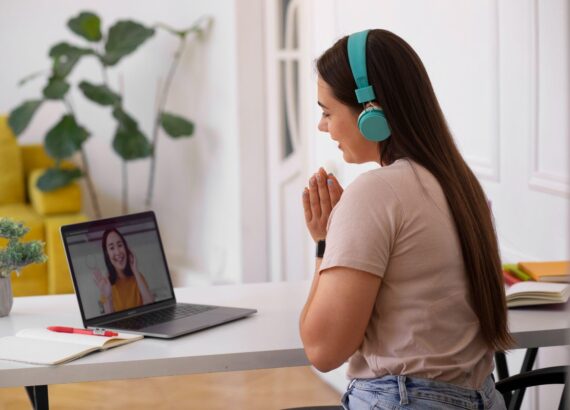
Online therapy is very similar to in-person therapy in many ways. You still meet with a licensed therapist, talk through your concerns, set goals, and receive support. The main difference is the setting. Instead of going to an office, you join from a private space using a secure video platform.
For many people, online therapy feels more comfortable. You may be sitting in your own room with a cup of tea nearby, wearing comfortable clothes and avoiding travel time. This can make it easier to start therapy, especially if you feel anxious about going somewhere new.
Before your first online therapy session, it helps to:
- Choose a quiet and private space
- Check your internet connection
- Use headphones if privacy is a concern
- Keep water or tissues nearby
- Close other tabs and silence notifications
- Give yourself a few minutes before and after the session
Online therapy in North Carolina can be especially helpful for people with busy schedules, limited transportation, caregiving responsibilities, or anxiety about attending in-person appointments. It also allows clients across North Carolina to access care from home, whether they are in Charlotte, Raleigh, Durham, Chapel Hill, Asheville, Wilmington, or another area.
What You Can Ask Your Therapist Too
The first session is not only for your therapist to ask questions. You can ask questions too. Therapy is a relationship, and feeling safe with your therapist matters. You are allowed to understand how they work, what approaches they use, and what the process may look like.
You might ask:
- “What is your experience with anxiety, trauma, or relationship issues?”
- “What type of therapy do you use?”
- “How will we decide what to focus on?”
- “What can I expect after the first few sessions?”
- “How do you help clients who feel nervous opening up?”
- “What should I do if I feel overwhelmed during a session?”
- “How will we know if therapy is helping?”
These questions are not rude. They show that you are taking an active role in your care. A good therapist will welcome your questions and help you feel informed. You do not have to be passive in therapy. Your voice matters.
How Will You Feel After the First Session?
People feel different things after a first therapy session. Some feel lighter because they finally said things out loud. Some feel tired because talking about emotions takes energy. Some feel hopeful. Some feel unsure. Some wonder if they shared too much or not enough. All of these reactions can be normal. Therapy can bring relief, but it can also stir up feelings. This does not mean something went wrong. It may simply mean that your mind and body are processing the conversation.
After your first session, try to be gentle with yourself. You may want to give yourself a little space instead of jumping straight into work or errands. Take a walk, drink water, journal for a few minutes, or do something calming. You do not need to analyze the session immediately. Sometimes clarity comes later. If you feel emotionally tender afterward, that does not mean therapy is too much for you. It may mean you are beginning to pay attention to things you have carried quietly for a long time.
How to Know If This Therapist Is the Right Fit
Finding the right therapist is important. You may not know everything after one session, but you can start noticing how you feel with them.
Ask yourself:
- Did I feel heard?
- Did I feel respected?
- Did the therapist seem present and attentive?
- Did they explain things clearly?
- Did I feel pressured, or did they respect my pace?
- Could I imagine building trust with this person?
You do not need to feel instantly comfortable. Therapy can feel awkward at first because it is new. But you should feel that the therapist is kind, professional, and safe enough to continue.
If something does not feel right, you are allowed to talk about it. Sometimes the fit improves with honest communication. Other times, a different therapist may be a better match.
The right fit can make mental health therapy in NC feel more supportive and effective. Therapy is not one-size-fits-all. Your needs, personality, background, and goals all matter.
Ready to Book Your First Session in North Carolina?
If you have been thinking about therapy, you do not have to wait until things feel unbearable. You can start when life feels heavy. You can start when anxiety is affecting your sleep. You can start when you feel disconnected, overwhelmed, stuck, or tired of handling everything alone.
At Mindspace Counseling, online therapy is available for clients across North Carolina. Whether you are new to therapy or returning after time away, your first session can be a gentle starting point. You do not need to have the perfect words. You do not need to know exactly what you need. You only need a willingness to begin.
Mental health therapy in NC can help you understand your emotions, build coping tools, process difficult experiences, and feel more supported in your daily life. Your first session is not about fixing everything in one hour. It is about taking one honest step toward feeling better. Schedule your first session today with Mindspace and let us help you get out of the mental health issues you are fighting with.
FAQs
1. What should I say in my first therapy session?
You can start with what brought you to therapy. You might say you feel anxious, overwhelmed, sad, stuck, or unsure of where to begin. You do not need to explain everything perfectly. Your therapist will help guide the conversation.
2. Do I have to talk about trauma in the first session?
No. You do not have to share trauma details before you feel ready. A therapist can help you build trust, safety, and coping skills first. You are allowed to move at your own pace.
3. Is online therapy in North Carolina effective?
Online therapy can be helpful for many people. It allows you to meet with a licensed therapist from a private space and can support concerns such as anxiety, stress, trauma, grief, and life transitions.
4. How long does a first therapy session usually last?
A first therapy session often lasts about 50 to 60 minutes. The session may include questions about your background, current concerns, goals, and what kind of support you are looking for.
5. How do I know if I need mental health therapy in NC?
You may benefit from therapy if your emotions, anxiety, stress, relationships, sleep, or daily life feel difficult to manage. You do not need to be in crisis to ask for support. Therapy can help you understand what you are feeling and learn healthier ways to cope.