

How to Calm Your Nervous System: Vagus Nerve Exercises for Anxiety and Trauma
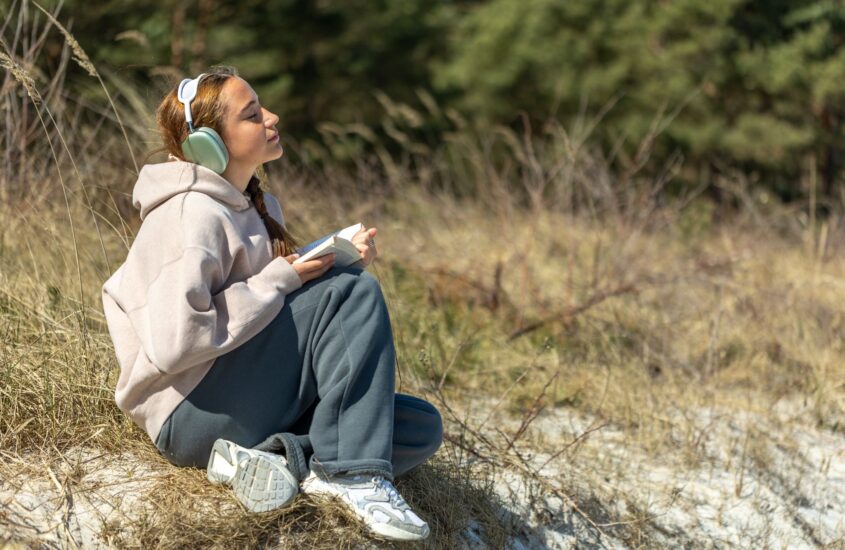
Sometimes your mind knows you are safe, but your body does not seem to get the message. Your heart may be racing. Your shoulders may stay tense. Your stomach may feel unsettled. You may feel restless, disconnected, overwhelmed, or unable to relax even when nothing is obviously wrong.
If this sounds familiar, you may have heard about the nervous system and the vagus nerve. The vagus nerve is an important part of the parasympathetic nervous system, which helps regulate automatic functions such as heart rate, breathing, and digestion. It also plays an important role in the communication between the brain and body.
This is why practices sometimes described as vagus nerve exercises have become popular for anxiety, stress, and trauma. Slow breathing, mindfulness, meditation, yoga, and other relaxation practices may help your body shift away from a prolonged stress response.
But there is an important distinction: these exercises are not a magic “reset” for the vagus nerve, and they are not a replacement for professional mental health treatment. They are tools that may help you regulate your body in the moment and build greater awareness of your stress response over time.
For people struggling with anxiety or trauma, these practices can be one part of a larger treatment plan. Anxiety therapy and online trauma therapy can address the deeper patterns that relaxation exercises alone may not resolve.
What Is the Nervous System Trying to Do?
Your nervous system is constantly taking in information and deciding how your body should respond. When you perceive danger, your sympathetic nervous system helps prepare you to act. Your heart rate and breathing may increase, your muscles become more alert, and your attention narrows toward the perceived threat.
This is commonly described as the fight-or-flight response. It is useful when you actually need to respond quickly. The problem can occur when your nervous system remains activated even after the immediate threat has passed.
You may find yourself:
- Constantly scanning for problems
- Feeling tense or restless
- Overthinking conversations
- Having difficulty sleeping
- Feeling easily startled
- Becoming irritable
- Feeling emotionally overwhelmed
- Struggling to relax
- Feeling disconnected or numb
Long-term stress can make it difficult to return to a calmer baseline. This does not mean your nervous system is “broken.” It means it may have become accustomed to operating under pressure.
What Is the Vagus Nerve?
The vagus nerve is the tenth cranial nerve, also known as cranial nerve X. It connects the brain with organs throughout the body and carries signals in both directions. It has extensive involvement in parasympathetic regulation, including functions involving the heart, lungs, and digestive system.
The vagus nerve is sometimes described online as a “calm nerve.” While that is an oversimplification, there is a real connection between vagal activity, autonomic regulation, and the body’s ability to shift between states of activation and recovery.
One way researchers study this relationship is through heart rate variability (HRV), which measures changes in the time between heartbeats. Research has found associations between anxiety disorders and lower resting HRV, although HRV is not a diagnostic test for anxiety and should not be interpreted on its own. A 2026 systematic review and meta-analysis also found that some HRV measures were associated with anxiety severity, while emphasizing that HRV is a complementary measure rather than a replacement for clinical assessment.
So, what can you actually do?
Can You Really “Reset” Your Vagus Nerve?
You may have seen claims that a particular exercise can instantly “reset” your vagus nerve. It is better to be cautious with those claims. There is no single exercise that switches the vagus nerve on and permanently resets your nervous system. Your autonomic nervous system is complex, and your response to an exercise can depend on your health, stress level, trauma history, and individual circumstances.
However, certain practices can encourage a relaxation response.
The strongest evidence among simple at-home practices is around regulated, slow breathing. A systematic review and meta-analysis of 223 studies found that voluntary slow breathing increased vagally mediated HRV during and after breathing sessions and after repeated practice. That does not mean breathing exercises “cure” anxiety or trauma. It means they may be useful tools for supporting physiological regulation.
1. Try Slow, Gentle Breathing
One of the simplest ways to work with your nervous system is to slow your breathing. You do not need to take huge breaths. In fact, breathing too deeply or too quickly can make some people feel lightheaded or more anxious.
Instead, try:
- Sit somewhere comfortable.
- Let your shoulders drop.
- Breathe in gently through your nose.
- Allow your belly to expand naturally.
- Exhale slowly and comfortably.
- Repeat for several minutes.
You can make the exhale slightly longer than the inhale if that feels comfortable.
For example, you might inhale for about four seconds and exhale for about six seconds. There is no need to force a specific count if it makes you uncomfortable.
Research on regulated breathing suggests that practices lasting at least several minutes and repeated over time may be more useful than very brief or fast-only breathing exercises. The goal is not perfect breathing. The goal is to give your body a slower rhythm to follow.
2. Practice Diaphragmatic Breathing
Diaphragmatic breathing, sometimes called belly breathing, encourages you to breathe using the diaphragm rather than taking shallow breaths primarily into the chest. Place one hand on your chest and the other on your abdomen. As you breathe in, notice whether the hand on your abdomen moves more than the hand on your chest. Then slowly breathe out without forcing the air.
Try this for five minutes. If focusing on your breathing makes you more anxious, stop and try another grounding technique. This is particularly important for people with trauma histories. Relaxation techniques are generally safe, but some people can experience increased anxiety, intrusive thoughts, or uncomfortable reactions when practicing them.
There is no prize for pushing through. Your nervous system needs safety, not another task to perform perfectly.
3. Try Gentle Movement
Movement can also support emotional regulation. You do not need an intense workout. A short walk, gentle stretching, yoga, or slow movement may help you shift attention from repetitive thoughts toward physical sensations in the present moment.
Exercise is also increasingly supported as a useful complementary approach for anxiety. A recent systematic review and network meta-analysis of randomized controlled trials found that resistance exercise and mind-body exercise were associated with reductions in anxiety symptoms, although the evidence varied across conditions and interventions.
Try a short walk outside. Notice your feet touching the ground, the temperature of the air and your shoulders moving as you walk. This turns movement into more than exercise. It becomes a way of reconnecting with the present.
4. Use Humming or Gentle Vocalization Carefully
You may have heard that humming, singing, chanting, or gargling can stimulate the vagus nerve because the nerve is involved in functions related to the throat and vocalization.
There is biological reasoning behind connections between the vagus nerve and areas involved in swallowing and vocalization, but online claims about specific vocal exercises directly “activating” the vagus nerve should not be overstated.
If humming feels calming, there is no reason you cannot use it as a relaxation practice. Try quietly humming for a minute or two while keeping your breathing comfortable. Think of it as a grounding exercise rather than a guaranteed vagus nerve treatment.
The question is not, “Did I activate my vagus nerve?”
Instead, ask:
“Do I feel a little more settled than I did five minutes ago?”
5. Practice Mindfulness Without Forcing Yourself to Be Calm
Mindfulness is often described as simply paying attention to the present moment. You can practice it while sitting, walking, eating, or doing everyday activities.
Try noticing:
- Five things you can see
- Four things you can physically feel
- Three things you can hear
- Two things you can smell
- One thing you can taste
This type of grounding can be especially useful when anxiety pulls your attention into the future, or trauma-related thoughts pull you toward the past. Research suggests mindfulness and meditation may help reduce symptoms of anxiety and PTSD for some people, although results vary and these practices are not substitutes for evidence-based treatment when symptoms are significant. If closing your eyes or focusing inward feels uncomfortable, keep your eyes open and orient yourself toward your surroundings. You are allowed to adapt the exercise.
6. Try Progressive Muscle Relaxation
Sometimes anxiety is easier to notice in the body than in the mind. Your jaw may be tight. Your shoulders may be raised. Your hands may be clenched. Progressive muscle relaxation involves gently tensing and then releasing different muscle groups.
For example, you might gently tense your shoulders for several seconds and then release them. Notice the difference between tension and relaxation.
Continue through other areas of the body without causing pain. The goal is not to force your muscles to relax. It is to teach yourself how tension feels and what release feels like. Relaxation techniques can produce a physiological relaxation response involving slower breathing and reduced heart rate.
7. Spend Time in Nature
A walk outside can combine several helpful elements at once: movement, natural light, sensory awareness, and a break from constant stimulation. You do not need to turn it into a complicated wellness routine.
Walk through a park.
Sit under a tree.
Look at the sky.
Notice the sounds around you. If you have been spending hours inside worrying or working, even a short change of environment can help interrupt the cycle. This is not a replacement for anxiety therapy, but it can become part of your daily regulation routine.
What If You Have Trauma?
This is where nervous-system exercises need a little more care.
People with trauma may respond differently to practices that ask them to focus inward. Closing your eyes, slowing your breathing, lying still, or concentrating on body sensations can sometimes increase discomfort rather than reduce it.
You might experience:
- Anxiety
- Panic
- Intrusive memories
- Dissociation
- Feeling disconnected
- A sudden increase in emotional intensity
If this happens, stop the exercise.
Look around the room.
Open your eyes.
Feel your feet on the floor.
Name the date and where you are.
Reach out for support if needed.
The goal of online trauma therapy is not to force your nervous system to calm down. It is to create enough safety and support for you to understand and work through the responses that developed for a reason.
Vagus Nerve Exercises Are Not a Replacement for Trauma Therapy
Breathing exercises and grounding can be helpful, but they do not process traumatic memories by themselves. If trauma continues affecting your relationships, sleep, emotional reactions, or sense of safety, deeper therapeutic support may be appropriate. Online trauma counseling can provide a structured space to explore what happened, understand your triggers, and develop healthier coping strategies.
Mindspace Counseling offers trauma-informed online counseling for adults across North Carolina, including trauma therapy and EMDR. Trauma treatment may involve approaches such as EMDR, cognitive behavioral strategies, nervous-system regulation, or other trauma-informed methods depending on your needs.
The right treatment is individual.
When Anxiety Keeps Your Nervous System on High Alert
Anxiety can make it feel like your body is constantly preparing for something. You may know intellectually that you are safe, but your thoughts continue scanning for problems.
You might worry about:
“What if something goes wrong?”
“What if they are upset with me?”
“What if I cannot handle this?”
“What if I make the wrong decision?”
This can create a cycle of physical activation and anxious thinking.
Online anxiety treatment in NC can help you work on both sides of that cycle.
Therapy can help you understand the thoughts and beliefs contributing to anxiety while also teaching practical regulation and coping skills. At Mindspace Counseling, online anxiety treatment includes approaches such as cognitive behavioral therapy, DBT-informed skills, and EMDR, depending on the client’s needs and treatment goals.
How Anxiety Therapy Fits Into Nervous System Regulation
Anxiety therapy is not simply about learning to relax. Sometimes anxiety is trying to tell you something. It may be connected to perfectionism, uncertainty, relationship patterns, trauma, major life transitions, or experiences where you did not feel safe. A therapist can help you explore the pattern instead of only trying to suppress the symptom.
For example, breathing may help you calm your body after a stressful interaction.
Therapy can help you understand why that interaction activated you in the first place. Both can have a place in your care.
A Simple 5-Minute Nervous System Routine
If you want something practical, keep it simple.
Try this five-minute routine:
Minute 1: Orient
Look around the room. Notice where you are. Remind yourself that you are in the present.
Minutes 2–3: Slow breathing
Take comfortable, slow breaths. Allow the exhale to be slightly longer if that feels natural.
Minute 4: Ground through your senses
Notice what you can see, hear, and physically feel.
Minute 5: Gentle movement
Stretch your shoulders, stand up, or walk slowly around the room.
Then ask yourself:
“What do I need right now?”
Maybe the answer is water.
Maybe it is rest.
Maybe it is a conversation.
Maybe it is professional support.
You do not have to solve your entire life in five minutes.
When Should You Talk to a Therapist?
Consider reaching out for professional support if anxiety or trauma symptoms are interfering with your daily life.
This may include:
- Persistent worry
- Panic attacks
- Sleep difficulties
- Intrusive memories
- Emotional numbness
- Hypervigilance
- Avoidance
- Relationship difficulties
- Feeling constantly overwhelmed
- Difficulty calming down even when you are safe
You do not have to wait until symptoms become severe.
Online trauma counseling in NC can make it easier to begin therapy from a private, familiar environment. An online trauma therapist can help you understand your responses and decide what type of treatment may be appropriate.
Mindspace Counseling provides online therapy to adults across North Carolina, including Charlotte, Raleigh, Durham, Chapel Hill, Asheville, Wilmington, Greensboro, and other areas of the state.
How Mindspace Counseling Can Help
At Mindspace Counseling, anxiety and trauma are approached with compassion, evidence-based treatment, and an understanding that each person’s experience is different.
Lin Hu specializes in anxiety, trauma and PTSD, postpartum anxiety and depression, grief, life transitions, and related concerns. Her clinical training includes EMDR, EMDR intensive therapy, DBT, and Deep Brain Reorienting.
If you are experiencing anxiety, trauma responses, or difficulty feeling safe in your own body, therapy can provide more than another coping exercise.
It can give you a place to understand what your nervous system has been trying to communicate.
Final Thoughts
Your nervous system is not your enemy.
When you feel anxious, tense, disconnected, or constantly on alert, your body may be responding to what it has learned about safety.
Gentle practices such as slow breathing, mindfulness, movement, and progressive muscle relaxation may help you support your body’s relaxation response. Research particularly supports slow breathing as a useful low-cost practice that can influence autonomic regulation, although it should be viewed as a complementary tool rather than a cure for anxiety or trauma.
If anxiety or trauma continues affecting your life, you deserve more than trying to calm yourself down every time symptoms appear. Online anxiety treatment in NC and online trauma therapy can help you understand the deeper patterns behind your reactions and work toward lasting change. If you are ready to take that step, schedule a session with Mindspace Counseling and begin exploring the support that fits your needs.
FAQs
1. What are vagus nerve exercises?
Vagus nerve exercises are commonly used to describe practices intended to support relaxation and autonomic regulation, including slow breathing, mindfulness, meditation, yoga, and other calming activities. Evidence is strongest for some practices, particularly slow breathing, rather than for the idea of an instant “vagus nerve reset.”
2. Can breathing exercises help anxiety?
Yes. Research suggests that slow, regulated breathing can influence heart-rate variability and may help reduce stress and anxiety symptoms. It works best as a complementary coping strategy rather than a replacement for professional treatment.
3. Can vagus nerve exercises help with trauma?
They may help some people manage physiological arousal and stress, but they do not replace trauma treatment. People with trauma histories can sometimes find certain relaxation exercises uncomfortable, so it is important to stop if a practice increases anxiety, dissociation, or distress.
4. What is the easiest vagus nerve exercise to try?
Slow, comfortable breathing is one of the simplest options. Try breathing gently through your nose and making your exhale slightly longer than your inhale for several minutes. Do not force deep breaths, and stop if you become dizzy or uncomfortable.
5. Can anxiety therapy help regulate the nervous system?
Anxiety therapy can help you understand the thoughts, behaviors, triggers, and emotional patterns that keep anxiety going. It can also teach coping and regulation skills that complement practices such as breathing and mindfulness.
6. When should I consider online trauma therapy?
Consider online trauma therapy if past experiences continue affecting your emotional responses, relationships, sleep, sense of safety, or daily functioning. A trauma therapist can help determine which approach fits your needs.
7. Is online anxiety treatment in NC available?
Yes. Mindspace Counseling provides online therapy for adults throughout North Carolina, including anxiety treatment and trauma-focused services.



No Comments