

Therapy for Women: Why Women’s Mental Health Is Different (And Why It Matters)
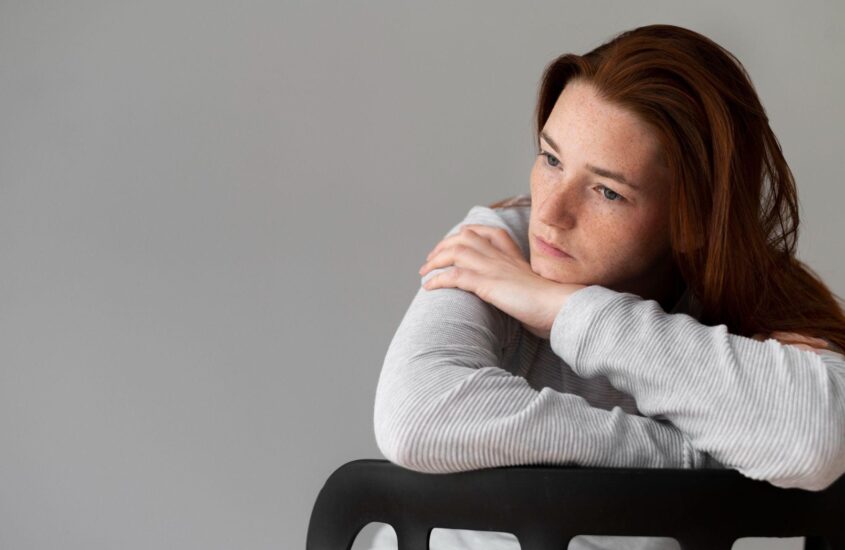
If you’ve ever felt like your anxiety, stress, or sadness comes from a different place than what your male partner, friend, or coworker describes, you’re not imagining it. Women experience mental health in ways that are shaped by biology, hormones, social roles, and life experiences that are often very different from men’s. That’s why therapy for women isn’t just a trend or a marketing label. It’s a recognition that women deserve care that actually understands what they’re going through.
At Mindspace Counseling, we work with women across North Carolina who are navigating anxiety, burnout, postpartum struggles, trauma, grief, and the everyday weight of trying to hold everything together. In this blog, we’ll talk about why women’s mental health is different, what makes it uniquely challenging, and how the right kind of support can make a real difference.
Women’s Mental Health Isn’t “The Same, But Smaller”
For a long time, mental health research, treatment models, and even casual conversations about therapy were built around a fairly generic, often male-centered, idea of what stress and emotional struggle look like. But women’s experiences don’t always fit that mold.
Hormonal changes throughout the month, during pregnancy, postpartum, and through perimenopause and menopause can significantly affect mood, sleep, energy, and emotional regulation. Add to that the social expectations many women carry, like being the emotional anchor for their families, managing households, supporting aging parents, and often working full-time jobs on top of it all, and it becomes clear why women often experience anxiety and depression differently than men do.
This is part of why women’s counseling in NC has become such an important and growing area of care. Women aren’t looking for generic advice. They’re looking for a therapist who understands the layers of what they’re carrying.
Common Mental Health Challenges Women Face
While every woman’s story is different, there are some patterns we see often in our practice.
Anxiety That Feels Like Constant Pressure
Many women describe their anxiety as a low hum that never fully turns off. It might show up as racing thoughts at night, a tight chest before a big meeting, or an overwhelming sense of responsibility for everyone else’s wellbeing. Because women are so often socialized to be caretakers and “the strong one,” this anxiety can go unnoticed for years, even by the women experiencing it.
Hormonal and Reproductive Mental Health
From PMDD (premenstrual dysphoric disorder) to the emotional shifts of pregnancy, postpartum, and perimenopause, hormones play a much bigger role in women’s mental health than is often acknowledged. Mood swings, irritability, sadness, or anxiety tied to hormonal cycles are real, biological, and absolutely worth addressing in therapy, not something to just “push through.”
Postpartum and Perinatal Struggles
Becoming a mother brings huge emotional shifts, and not all of them are the joyful kind we see in movies. Postpartum anxiety and postpartum depression are incredibly common, yet many women feel guilty or ashamed to talk about how hard things actually feel. Having a space to process these emotions without judgment can be life-changing, both for the mother and for her relationship with her baby.
Trauma and Its Long-Term Effects
Women are statistically more likely to experience certain types of trauma, including sexual assault, domestic violence, and childhood abuse. These experiences can shape how a woman sees herself, trusts others, and moves through the world, often long after the events themselves. Trauma-informed therapy, including approaches like EMDR, can help women process these experiences and reduce the hold they have on daily life.
Burnout From “Doing It All”
Many women are stretched across multiple roles: professional, parent, partner, caregiver, friend. Over time, this can lead to a specific kind of exhaustion that isn’t just physical tiredness, but a deeper depletion. Burnout in women often goes unrecognized because it’s expected. “That’s just what being a woman looks like,” some might say. But it doesn’t have to be that way, and it shouldn’t be.
Why Gender-Informed Therapy Matters
When a therapist understands the unique pressures, biology, and social context that shape women’s mental health, therapy becomes more than just talking. It becomes a space where a woman doesn’t have to explain or justify why something feels hard. She doesn’t have to minimize her experience or worry about being told she’s “overreacting.”
This is the heart of therapy for women: care that’s rooted in understanding, not assumptions. A therapist who specializes in women’s mental health is more likely to recognize the signs of postpartum depression versus normal new-parent exhaustion, understand how trauma can show up differently in women, and create a space where a woman feels truly seen, not just heard.
At Mindspace Counseling, our approach to women’s counseling in NC is built around this understanding. We know that anxiety, grief, trauma, and life transitions don’t exist in a vacuum. They’re connected to identity, relationships, hormones, and the roles women are often expected to play.
The Convenience and Comfort of Online Therapy
One of the biggest barriers women face when it comes to mental health care is simply finding the time. Between work, parenting, caregiving, and everything in between, fitting in a weekly appointment that requires driving across town can feel impossible.
That’s where online therapy for women in NC comes in. Virtual sessions remove the commute, the waiting room, and the scheduling stress. You can connect with a licensed therapist from your home, your car during a lunch break, or anywhere you feel safe and comfortable. For many women, this flexibility is the difference between getting support and putting it off for another year.
Online therapy also offers something else that matters: privacy. For women dealing with sensitive topics like trauma, postpartum struggles, or relationship issues, being able to open up from a familiar, private space can make it easier to be honest and vulnerable.
At Mindspace Counseling, our online therapy for women in NC are designed to be just as effective, and just as personal, as in-person care. Research consistently shows that online therapy produces outcomes comparable to face-to-face sessions for issues like anxiety, depression, and trauma.
What to Expect From Women’s Counseling
If you’re considering therapy but aren’t sure what it actually looks like, here’s a simple breakdown of what the process tends to involve:
- A judgment-free first conversation. Most women’s counseling begins with a chance to talk through what’s bringing you to therapy, without pressure to have it all figured out.
- A personalized approach. Whether you’re dealing with anxiety, grief, postpartum challenges, or past trauma, your therapist will tailor sessions to your specific needs, not a one-size-fits-all script.
- Evidence-based tools. Approaches like EMDR, cognitive behavioral techniques, mindfulness, and trauma-informed care give you practical tools alongside emotional support.
- A safe space to be honest. Many women say the biggest relief in therapy isn’t a specific technique, it’s finally having somewhere to be fully honest without worrying about how it sounds.
You Deserve Support That Understands You
Women carry a lot, often quietly. The pressure to be everything for everyone, the hormonal shifts that affect mood and energy, the trauma that doesn’t just disappear with time, and the constant balancing act between work, family, and self. None of this makes you weak. It makes you human, and it makes the case for therapy for women that much stronger.
You don’t have to keep pushing through on your own. Whether you’re dealing with anxiety, navigating motherhood, healing from trauma, or simply feeling like you’ve lost touch with yourself, support is available, and it’s closer than you might think.
If you’re ready to talk to someone who understands what women’s mental health really involves, our team at Mindspace Counseling is here for you. We offer women’s counseling in NC and online therapy for women NC, designed to fit into your life rather than add to your stress.
Schedule an appointment with Mindspace Counseling today, and take the first step toward feeling like yourself again.
FAQs
Why is therapy for women different from general therapy?
Therapy for women takes into account the unique biological, hormonal, and social factors that shape women’s mental health, such as hormonal cycles, pregnancy, postpartum changes, and the societal pressures of balancing multiple roles. A gender-informed approach helps ensure women feel truly understood, not just heard.
What mental health issues are most common among women?
Women often experience anxiety, depression, postpartum mood disorders, burnout, and the effects of trauma at higher rates or in different ways than men. Hormonal shifts during PMDD, pregnancy, postpartum, and perimenopause can also significantly impact mood and emotional wellbeing.
How does online therapy for women in NC work?
Online therapy allows you to connect with a licensed therapist through secure, HIPAA-compliant video sessions from home or anywhere private and comfortable. It removes barriers like commute time and scheduling conflicts, making it easier for busy women to prioritize their mental health.
Is online therapy as effective as in-person counseling?
Yes. Research shows online therapy is just as effective as in-person therapy for many concerns, including anxiety, depression, and trauma. Many women also find it easier to open up from the privacy and comfort of their own space.
How do I get started with women’s counseling at Mindspace Counseling?
Getting started is simple. You can schedule an appointment for a free consultation to talk about what you’re experiencing and find the right therapist and approach for your needs, whether that’s anxiety support, postpartum care, trauma therapy, or general life challenges.