

How NDIS Support Services Help People Live More Independent Lives
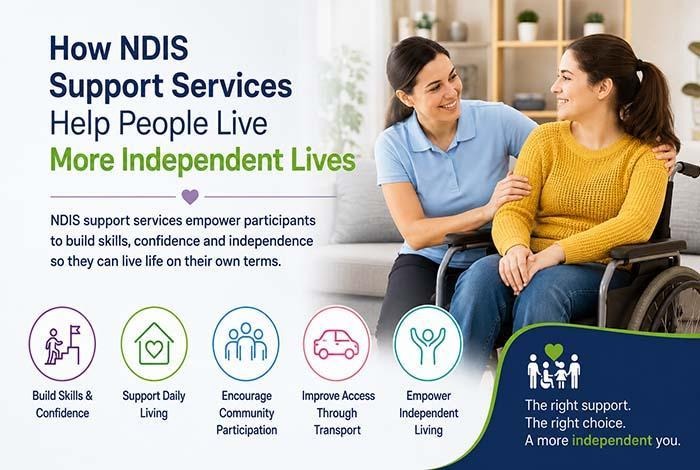
How NDIS Support Services Help People Live More Independent Lives
Living independently means having the confidence, skills, and support to make everyday decisions, participate in the community, and achieve personal goals. For many Australians living with a disability, the National Disability Insurance Scheme (NDIS) provides access to services that make this possible.
Rather than encouraging dependence, quality NDIS support services are designed to empower participants, helping them develop practical life skills while maintaining choice and control over the support they receive. Whether it’s assistance with personal care, transport, household tasks, or community participation, the right support can make a meaningful difference in everyday life.
Independence Looks Different for Everyone
Independence is not defined by doing everything alone. Instead, it means having the opportunity to live life on your own terms while receiving the right level of assistance where needed.
For one participant, independence may involve travelling to work using supported transport. For another, it could mean learning to prepare meals, manage appointments, or participate confidently in community activities.
The flexibility of the NDIS allows support to be tailored to each participant’s goals, abilities, and lifestyle.
Building Confidence Through Everyday Support
Daily routines often become stepping stones toward greater independence.
Support workers assist participants with activities such as:
- Personal hygiene and grooming
- Meal preparation
- Household cleaning
- Shopping
- Medication reminders
- Budgeting
- Developing daily routines
Rather than completing every task on behalf of participants, experienced support workers encourage learning, confidence, and gradual skill development wherever possible.
Over time, many participants become more capable of managing everyday responsibilities independently.
Developing Essential Life Skills
One of the greatest benefits of NDIS support is the opportunity to build practical life skills.
These skills may include:
- Cooking nutritious meals
- Managing personal finances
- Time management
- Communication skills
- Using public transport
- Problem-solving
- Decision-making
Learning these abilities helps participants feel more confident and better prepared for everyday challenges while improving their overall quality of life.
Encouraging Community Participation
Social inclusion plays an important role in independent living.
Community participation supports participants to:
- Attend social events
- Join local clubs
- Volunteer
- Participate in recreational activities
- Develop friendships
- Build communication skills
These experiences increase confidence, reduce isolation, and create opportunities for personal growth.
Being connected to the community often leads to improved emotional wellbeing and stronger support networks.
Personal Care That Promotes Independence
Personal care is about more than assistance with daily routines.
Professional support workers help participants maintain dignity while encouraging independence wherever appropriate.
Support may include:
- Showering
- Dressing
- Grooming
- Mobility assistance
- Toileting support
As participants become more confident, many gradually take on more of these daily tasks independently, depending on their abilities and goals.
Access to Reliable Transport Opens New Opportunities
Transport is often one of the biggest barriers to independence.
Reliable transport support enables participants to:
- Attend work
- Visit educational institutions
- Keep medical appointments
- Attend therapy sessions
- Participate in community events
- Maintain social connections
Greater mobility often leads to increased confidence and improved participation in everyday life.
Person-Centred Support Makes the Difference
Every participant has unique goals, preferences, and support requirements.
Person-centred care focuses on listening to participants and developing support plans that reflect what matters most to them.
Instead of using a one-size-fits-all approach, quality providers regularly review supports and adapt them as participants grow, develop new skills, and achieve milestones.
This personalised approach helps participants remain in control of their own journey.
Choosing the Right NDIS Provider
The quality of support has a significant impact on long-term independence.
When selecting a provider, participants and families should look for:
- Experienced support workers
- Flexible services
- Clear communication
- Person-centred care
- Reliable scheduling
- Strong participant reviews
- Commitment to participant goals
Working with an experienced registered NDIS provider, such as Apollo Care 24, can help participants access personalised disability support services that encourage confidence, skill development, and greater independence while respecting individual choices and aspirations.
Final Thoughts
Independence is built one step at a time. With the right NDIS support services, participants can develop essential life skills, strengthen their confidence, engage with their communities, and enjoy greater control over their daily lives.
Whether the goal is learning new skills, improving mobility, participating in social activities, or managing everyday routines more confidently, quality support can create lasting positive outcomes. Working alongside trusted professionals, including counselling services such as Mindspace Counseling, can further strengthen emotional wellbeing and resilience while supporting personal growth. By focusing on individual strengths and personal goals, NDIS providers play an important role in helping Australians with disabilities live fuller, more independent lives.



No Comments