

Is Online Therapy as Effective as In-Person? What the Research Says

If you have been considering therapy but do not want to sit in a therapist’s office, you may be wondering whether online therapy can really work as well as meeting someone in person. It is a reasonable question. Therapy is personal. You are talking about thoughts, emotions, relationships, fears, and experiences that may be difficult to share. You may wonder whether a therapist can understand you through a screen or whether virtual sessions will feel too distant.
The good news is that research does not suggest that therapy has to happen in an office to be effective.
For many common mental health concerns, therapist-guided online therapy can produce outcomes similar to in-person treatment. A 2024 systematic review and meta-analysis looked at 54 randomized controlled trials involving 5,463 adults and found little to no difference between therapist-guided remote cognitive behavioral therapy and in-person CBT. The review included people receiving treatment for anxiety, depression, insomnia, chronic pain, and other conditions.
More recent research has continued to support this finding. A 2026 systematic review and meta-analysis of video-based psychotherapy compared live video therapy with face-to-face therapy across several mental health conditions. It found no significant difference in symptom reduction between the two formats, although the researchers also noted that more research is needed across different populations and types of treatment.
So, is online therapy as effective as in-person therapy?
For many people, yes. But the better question may be: Which format allows you to participate consistently, feel comfortable with your therapist, and receive the type of treatment you need?
What Does Online Therapy Actually Mean?
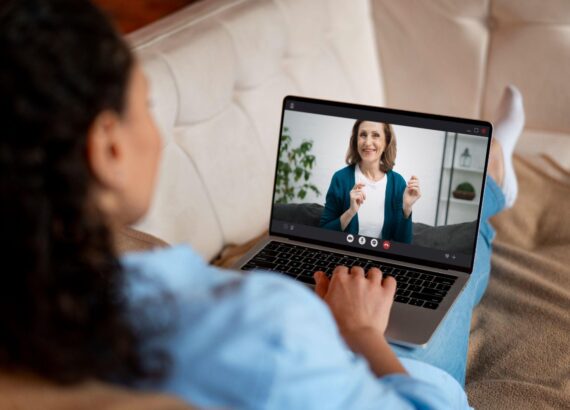
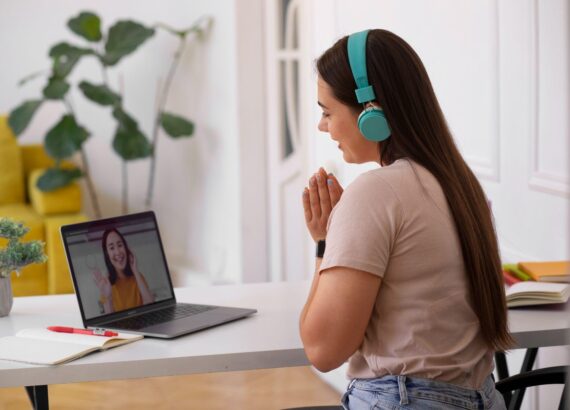
Online therapy, also called teletherapy or telepsychology, usually means meeting with a therapist through a secure video platform. Some services also use telephone sessions, messaging, or other digital tools. This distinction matters because not every form of online mental health support is the same. Research comparing online therapy with in-person therapy often focuses on live, therapist-guided treatment, particularly video sessions. That is different from using an app by yourself, watching educational videos, or exchanging occasional messages with a therapist.
The American Psychological Association notes that telepsychology can include real-time video or telephone sessions as well as other forms of digital communication. Research has found similar outcomes between teletherapy and in-person therapy for concerns including anxiety, depression, PTSD, and adjustment disorders. For this reason, when people ask whether online therapy works, it helps to be specific about what they mean. A live session with an experienced online therapist is not the same thing as using a self-guided mental health app.
What Does the Research Say About Online Therapy?
One of the strongest pieces of evidence comes from a 2024 systematic review published in CMAJ. Researchers reviewed 54 randomized controlled trials involving more than 5,400 adults. The study compared therapist-guided remote CBT with CBT delivered in person.
The results showed little to no difference in effectiveness between the two formats. The evidence was rated as moderate certainty. The researchers concluded that therapist-guided remote CBT may help expand access to evidence-based treatment without sacrificing effectiveness.
Another meta-analysis looked specifically at telemedicine treatment for PTSD, mood disorders, and anxiety disorders. Across 20 trials, the researchers found that telemedicine was comparable with in-person treatment for treatment effectiveness, patient satisfaction, and dropout rates. The therapeutic relationship, also called the working alliance, was comparable as well, although the research on that measure was more varied.
A separate 2024 meta-analysis examining remote psychological treatment for anxiety and depression also found no statistically significant difference between remote and face-to-face treatment for either anxiety or depression symptoms.
Taken together, these findings give people a reasonable basis for choosing online care when it fits their needs.
Does Talking Through a Screen Affect the Therapist-Client Relationship?
This is one of the biggest concerns people have about online therapy. You may wonder whether your therapist can really understand you if you are sitting in different locations. You may also worry that video sessions will feel less personal. Research so far does not show that video therapy automatically creates a weaker therapeutic relationship.
The therapeutic relationship depends on many things, including trust, communication, consistency, feeling understood, and working toward goals together. A screen changes the setting, but it does not remove these parts of therapy.
Research comparing telemedicine and in-person treatment has found similar working alliance outcomes in several studies. Your experience still matters, though. Some people feel more comfortable talking from home. Others find it easier to open up when they physically leave their usual environment and enter a therapist’s office. Neither response is wrong. The right format is partly about where you feel able to participate openly.
Why Do Some People Prefer Online Therapy?
For many people, convenience is one of the biggest advantages. You do not have to drive to an office, sit in traffic, find parking, or spend additional time traveling before and after your appointment. You can attend your session from home or another private location. This can be especially helpful if you have a demanding work schedule, children at home, mobility concerns, caregiving responsibilities, or limited access to therapists in your area.
Online therapy can also reduce one barrier that keeps people from starting therapy in the first place: getting there. A 50-minute appointment can take much longer when you add travel time to the schedule. A virtual session may fit more easily into your day.
For someone searching for online therapy in North Carolina, this can make therapy more practical without requiring a compromise in the quality of therapist-guided treatment. The same can apply to someone looking for online therapy in south carolina, particularly when local options are limited or when virtual sessions fit better with work and family responsibilities.
Can Online Therapy Help With Anxiety and Depression?
Yes. Research supports therapist-guided online treatment for several common mental health concerns.
Anxiety and depression are among the conditions most frequently studied in remote psychotherapy research. The 2024 CBT meta-analysis included 17 studies focused on anxiety and related disorders and 14 studies focused on depressive symptoms. Overall, researchers found little to no difference between remote and in-person CBT.
This does not mean that every person with anxiety or depression will have the same experience online. You may find video sessions comfortable and easy to attend. Someone else may find that being in an office helps them focus. Your symptoms also matter. Some people need a treatment approach that requires more assessment, structure, or in-person support. A qualified therapist can help determine whether online care is appropriate.
What About Trauma Therapy?
Online therapy can also be used for trauma-related concerns. Research has compared telemedicine and in-person treatment for PTSD and found comparable treatment outcomes in several studies. However, trauma therapy requires thoughtful planning.
You need a private space where you feel physically safe and emotionally comfortable. You also need a therapist who understands trauma and knows how to respond if you become overwhelmed during a session. Online therapy does not mean that every trauma treatment should automatically be delivered virtually. Your therapist should consider your symptoms, treatment goals, safety, privacy, and the type of therapy being used. The format should support the treatment rather than determine it.
What Are the Benefits of In-Person Therapy?
In-person therapy still makes sense for many people.
Some clients prefer having a clear separation between home and therapy. Walking into a therapist’s office can create a physical boundary around the session and make it easier to focus.
In-person treatment can also be useful when a therapist needs to make observations that are harder to assess virtually or when a particular treatment or evaluation requires direct physical presence.
The American Psychological Association notes that therapists should consider the client’s clinical needs, privacy, technology access, accessibility needs, emergency planning, and applicable laws when deciding whether telepsychology is appropriate. So the research does not mean that online therapy should replace in-person therapy. It means that online care is a legitimate treatment option for many people.
What Are the Limitations of Online Therapy?
Online therapy is not perfect. Your internet connection can fail. You may have trouble finding a private space. Someone may unexpectedly walk into the room. You may become distracted by work, children, notifications, or other responsibilities.
Some people also find it harder to focus during virtual sessions. Privacy matters as well. A therapist should use appropriate technology and follow professional standards for protecting client information. You should also take reasonable steps to create a private environment on your side of the session.
The APA recommends considering technology access, privacy, informed consent, emergency procedures, and relevant state and federal laws when providing telepsychology. These factors do not make online therapy ineffective. They simply mean that virtual therapy works best when both the therapist and client have the right conditions for it.
Online Therapy Is Not One-Size-Fits-All
One mistake people make is asking whether online therapy is better than in-person therapy as though there has to be one correct answer.
There isn’t.
A person who feels anxious about entering a therapist’s office may feel much more comfortable starting from home. That comfort may make it easier to attend consistently and speak honestly. Another person may find that home is full of distractions or difficult memories and prefer an office environment.
Your personality, symptoms, schedule, privacy, technology access, treatment goals, and relationship with your therapist can all affect your experience. The research gives us an important point: the delivery method itself does not appear to make therapist-guided treatment less effective for many common conditions.
What Should You Look for in an Online Therapist?
If you are considering online therapy, focus on the therapist as much as the format. Look for someone who has experience treating the concerns you want to address. Ask about their therapeutic approach, experience with online sessions, availability, and what you can expect during treatment.
You should also check whether the therapist is licensed to provide services where you are physically located. Teletherapy involves state-specific professional rules, and the APA recommends that clinicians understand the laws governing telepsychology in the relevant jurisdictions.
A good online therapist should also make it clear how sessions work, what platform they use, what happens if technology fails, and how they handle urgent situations. You do not need to know exactly what type of therapy you need before your first appointment. Part of the first conversation is figuring that out together.
How Do You Know If Online Therapy Is Right for You?
Online therapy may be a good fit if you want professional support but find traditional appointments difficult to fit into your schedule. It may also suit you if you feel more comfortable talking from a familiar environment or if travel makes regular appointments harder.
You may prefer online therapy in North Carolina because you want care without adding a long commute to your week. If you live in South Carolina, online therapy in South Carolina may offer similar convenience when your therapist is appropriately licensed to provide care where you are located. The key is not choosing online therapy simply because it is easier. You should choose a format that gives you a realistic chance of attending regularly, participating openly, and building a useful relationship with your therapist.
What If You Try Online Therapy and Do Not Like It?
You are allowed to change your mind. You may start with online therapy and realize that you would rather meet in person. You may also begin in person and later decide that virtual sessions fit your life better. Therapy does not have to be a permanent decision about one format.
Talk to your therapist about what is and is not working. Sometimes a small change in the session structure, environment, or appointment time can make a difference. If virtual therapy does not feel comfortable after giving it a fair try, that information is useful too. The goal is to find a way of receiving care that helps you participate consistently and work toward the changes you want.
So, Is Online Therapy as Effective as In-Person Therapy?
The research gives a fairly clear answer for many forms of therapist-guided treatment: online therapy can be as effective as in-person therapy for many common mental health concerns.
For many people, the ability to meet with an online therapist from home makes it easier to start therapy and continue attending. And consistency matters. A treatment that fits your life is more useful than one that looks ideal on paper but is difficult for you to attend. If you have been considering online therapy in North Carolina or online therapy in South Carolina, you do not have to decide based on whether virtual therapy is “real therapy.” The research supports it as a valid treatment format for many concerns. The next step is finding a qualified therapist and an approach that fits your needs.
If you are ready to talk about what you have been experiencing and want to see whether virtual therapy is right for you, Mindspace Counseling can help you take that first step. Schedule a session to begin the conversation.
No Comments